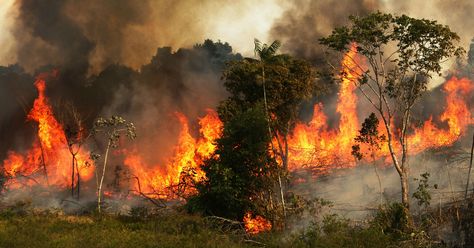
The UN’s COP15 summit, held in Montreal, just ended with the adoption of the Kunming-Montreal Global Biodiversity Framework, a historic deal aimed at protecting and restoring nature. The agreement, reached by 195 countries, is the result of four years of negotiations and will guide global conservation efforts until 2030.
Climate change and biodiversity loss go hand in hand. This new agreement is equivalent to the adoption of the 2015 Paris Agreement regarding climate change to limit global warming to 1.5 degrees Celsius, but this one focused on biodiversity conservation and restoration.
Recientemente, Fran García me invitó a su podcast Levantando, donde entrevista a inversionistas de venture capital en Latinoamérica. Fue una conversación muy amena y quería compartirla con ustedes. Espero que disfruten escuchando la entrevista tanto como lo hice yo participando en ella.
As an investor in tech, I am always on the lookout for the next big thing in the industry. And in my opinion, chatGPT is definitely worth paying attention to.
ChatGPT, or “Chat Generative Pretrained Transformer,” is a powerful natural language processing tool that allows users to generate human-like text based on a given prompt. It has been making waves in the tech industry due to its impressive ability to mimic human conversation and generate coherent responses to a wide range of topics.
Below you will find a selection of books I recommend from what I have read recently. I was very into short stories, especially from some fantastic Latin American authors.
The COP27 has just finished, with disappointing results. On the positive side, for the first time, the concept of compensation for loss & damage for developing countries has been included.
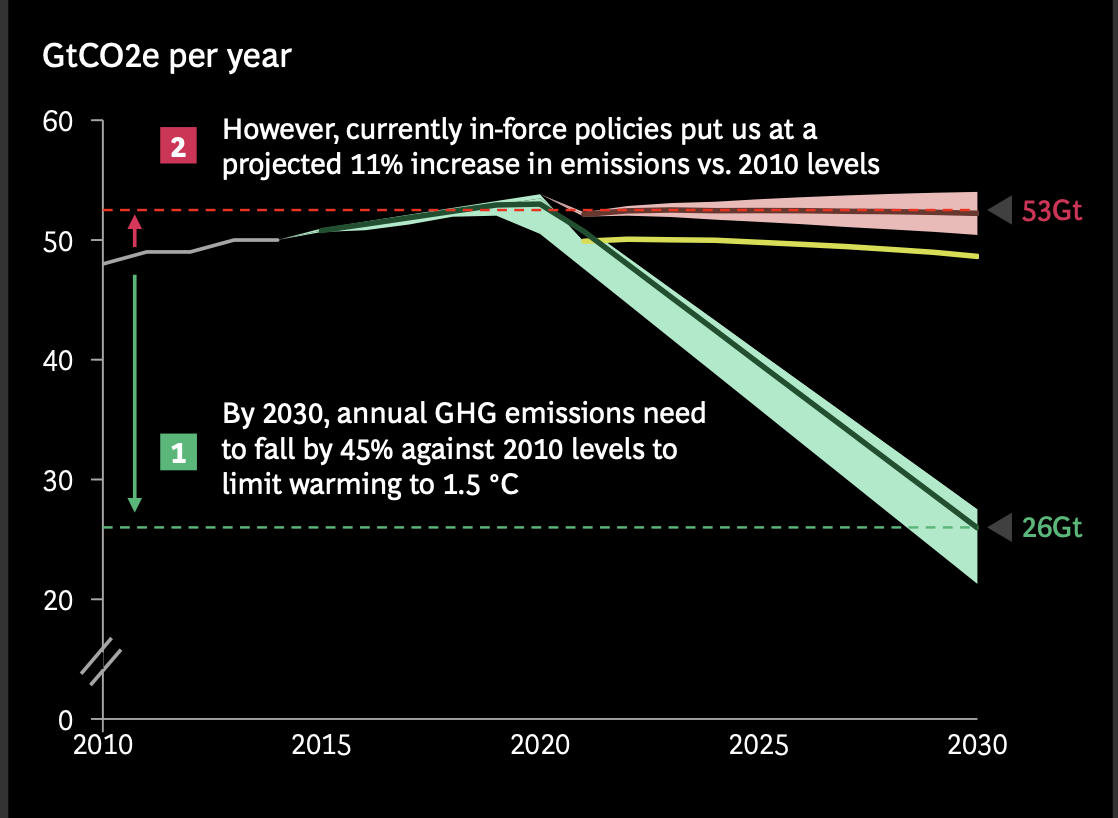
On the negative side, two big disappointments. First, there was no clear commitment to phase out all fossil fuels at some point in the future. Second, the gap between what is needed in greenhouse gas emission reductions to contain temperature increase to 1.5℃ – the level agreed upon by world governments in the Paris Agreement – and the current policies in place is huge. The planet needs a reduction of 45% in GHG emissions by 2030 compared to 2010 levels to maintain the temperature increase below 1.5°. However, as the chart below shows, with the current policies announced so far, the world is instead on a trajectory to increase GHG emissions by 11% compared to 2010.
On this trajectory, the world will end up with a temperature increase way higher than the critical but manageable 1.5° level, which would have dramatic consequences on climate and therefore on humanity. Scientists are certain that temperature increases higher than 1.5° would create an existential risk for humanity.
We all need to understand this reality and, individually and as a society, urgently pressure governments and corporations to accelerate the decarbonization of the economy that would reduce GHG emissions.
I want to share a fantastic podcast – A Matter of Degrees by Dr. Leah Stokes and Dr. Katharine Wilkinson – that discusses very clearly the terrible environmental impact of the crypto sector.
By definition, most crypto tokens use a proof-of-work system that essentially consumes (and wastes) excessive amounts of energy in resolving cryptographic problems. The energy required is being generated using fossil fuels directly, or by renewable sources, but in the latter case, forcing other energy users to revert to electricity generated by fossil fuels. Estimations put energy consumption by the crypto sector at 1% of the total global consumption.
Not surprisingly, crypto fans (especially bitcoin maxis) argue that crypto is using unused excess capacity, therefore making the whole energy system more efficient. Obviously, this is incorrect, and the podcast talks about this.
The figures for venture capital funding in Latin America during the third quarter have come out and confirmed the slowdown during the first half of the year has continued. The investment in Q3 was still a large $1.1 billion dollars, which is higher than the amounts we used to see before 2019. This is the fifth decreasing consecutive quarter since peaking in Q2 2021.
Based on market sentiment, I expect funding to stay around this level for the next 2-3 quarters, but this will depend on how inflation, interest rates, and the general economy evolves. Time will tell.
A quick view on the economics of the acquisition of Twitter by Elon Musk, posted originally on my Twitter account (@serebrisky). Spoiler: they don’t look good.
The acquisition of Twitter by Elon Musk has been and continues to be controversial. I found the financial aspect fascinating. Musk and his investors (including some previous investors rolling up their positions) have paid $44B for Twitter. 1/n
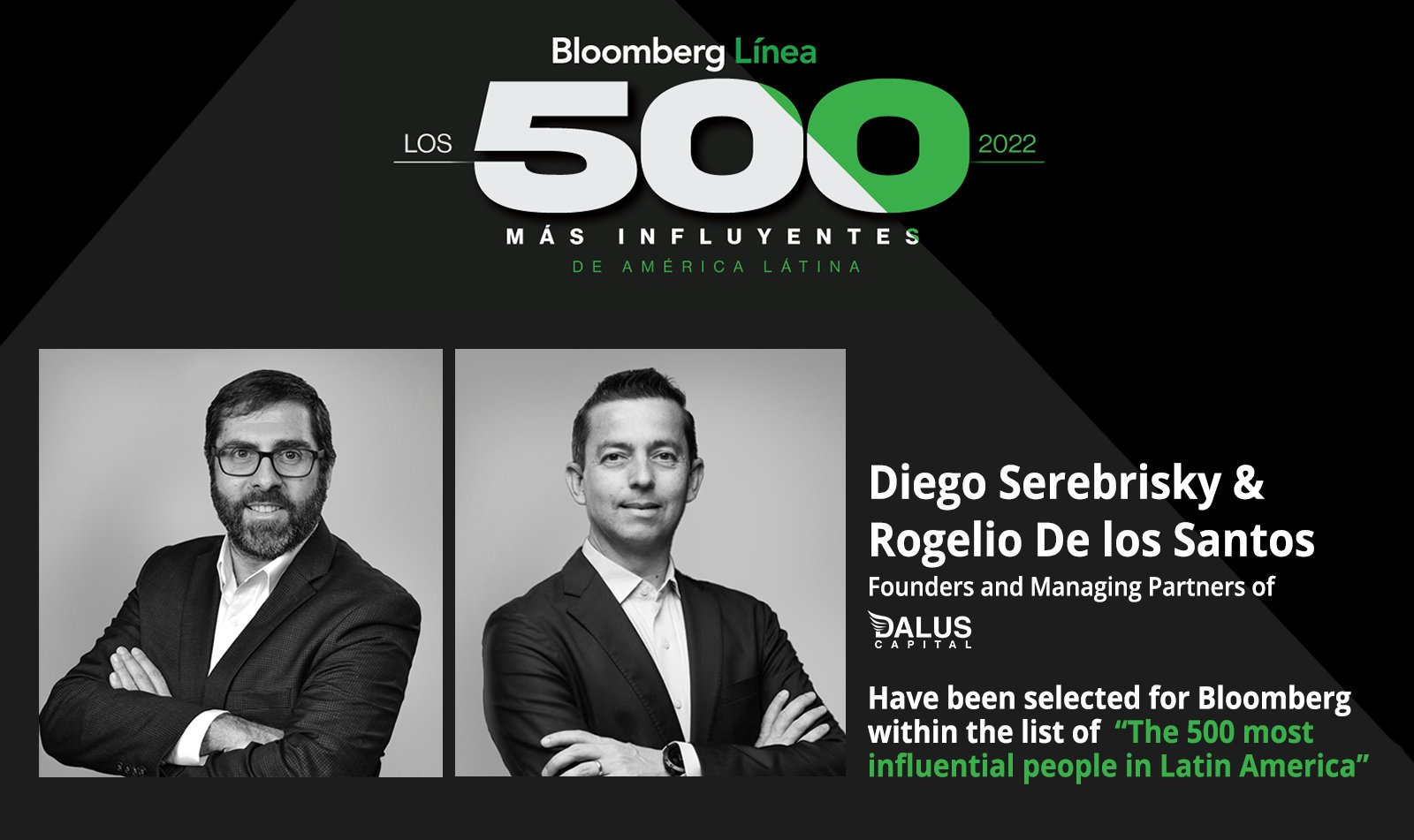
I’m humbled and thankful to be on Bloomberg’s list of “The 500 most influential people in Latin America” for a second consecutive year. Happy and proud to share this recognition with my business partner Rogelio de los Santos, and some of the amazing entrepreneurs we have supported – Myriam Cosío, Adolfo Babatz, and Vicent Fenoll – as well as many other incredible people in the region.
LAVCA – the Latin America Venture Capital Association – just reported venture capital investment data for the first half of 2022. The results are in line with what anyone can perceive in the market. Fundraising has slowed down, impacted by 1) the steep adjustment in valuations of public tech companies, especially in the US market, and 2) many VC investors are on the sidelines as they wait for the market uncertainty to pass while concentrating their attention and resources on their existing portfolio companies.