
As an active climate change activist, I’ve been arguing with climate change deniers for a while. Through these often painful and frustrating experiences, I’ve learned that not all climate deniers are cut from the same cloth. So, I decided to identify some key profiles.
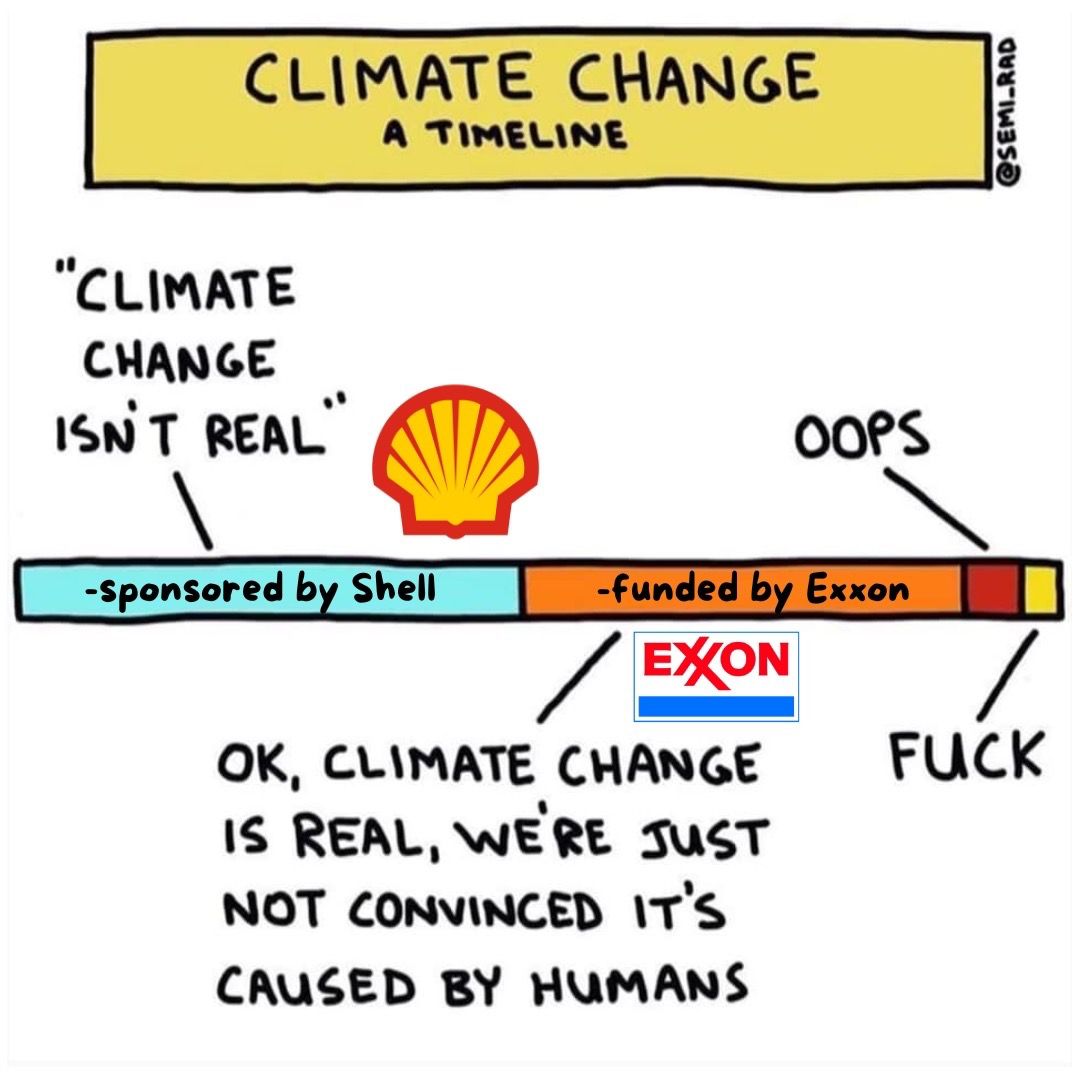
For those unfamiliar with the term, climate deniers are individuals who reject the scientific consensus that global warming and climate change are happening and are being caused by human activities, mainly through the use of fossil fuels. Unfortunately, and quite shockingly, there’s no shortage of climate deniers out there. It’s essential to recognize that most climate deniers are likely victims of misinformation, often stirred up by the oil sector and other groups eager to maintain the status quo.
Based on my interactions, here are the key profiles:
The Hoaxers: These individuals outright deny the existence of climate change, dismissing it as a hoax. They argue that climate scientists are incorrect and often claim there’s controversy around the subject. Hoaxers cling to articles from the few fringe scientists who deny climate change, manipulated charts, memes making fun of the facts about climate change, and some outright lies. Their sources are never reputable nor credible. They staunchly refuse to accept scientific evidence or the scientific consensus. Additional traits include a belief in various conspiracy theories.
Recommended strategy: Probably ignore them. Nothing you can say, argue, or show will change their minds.
The Illuminated Hoaxers: While they accept that climate change is happening, illuminated hoaxers assert that the planet’s warming is due to natural cycles and causes, thereby absolving humanity of responsibility. For them, phenomena like volcanic eruptions and solar flares are convincing evidence for their opinions. Their sources are never reputable nor credible. They disregard explanations of man-made greenhouse gas emissions and how these gases contribute to global warming. These individuals often believe that market-driven technological solutions will emerge to compensate for the natural causes. They are adamant there is no need for society to reduce emissions or transition to a low-carbon economy.
Recommended strategy: Show them the science that clearly explains humans are causing global warming. With persistence and hard data, some of them could change their minds.
The Libertarians: This group accepts that climate change is a reality and is caused by human activity, possibly coupled with natural factors. However, they argue that society can’t afford to phase out fossil fuels and move to a low-carbon economy. They strongly believe that the benefits of fossil fuels outweigh the drawbacks of global warming, which, in their view, have been exaggerated by alarmist scientists and activists. They argue that the forecasting models the scientists use are unreliable and therefore grossly exaggerate bad scenarios. They trust that market-driven technologies will provide solutions. Libertarians are skeptical of all governments and hold a deep belief that most scientists are being funded by “controlling elites” who wish to manipulate society through a false climate change narrative. They are very individualistic and don’t care too much about other people, including future generations.
Recommended strategy: Probably as tough as the Hoaxers to change their beliefs. My hope is that as evidence of extreme weather events and other impacts of climate change becomes more evident, some would change their individualistic positions.
Not really deniers, but The Indifferent Majority also cause inaction: This is the largest group who may acknowledge that climate change could be happening, but they’re unsure about it, its causes or effects, and don’t have a strong opinion on the matter. Unwilling to invest time and effort to learn more, they are in general disbelief that climate change, if it happens, will impact them or their loved ones. In other words, rational people but too lazy to educate themselves on the issue and then do something about it.
Recommended strategy: Persistently educate them on the science of climate change and its impacts. Share as much information as possible but in clearly digestible formats. I have seen how people in this group can change.
I hope these profiles and strategies will help you interact with and hopefully bring awareness and change the mindsets of the many climate deniers out there. I’m pretty open to suggestions, comments, and criticism on these.

Pingback: Climate cartoon of the week | Latin American VC